We Tested 7 At-Home Sciatica Relief Solutions — Only One Helped Me Take My Life Back
If you're reading this at 3 AM because the pain woke you up again, I want you to know something first:
I've been exactly where you are.
Two years ago, I couldn't sleep more than four hours without waking up in agony. Sitting felt like a knife twisting in my lower back. Standing was worse. I watched my kids play from the couch because getting up felt impossible. I cried in the bathroom so no one would see how bad it really was.
I tried everything.
Physical therapy that should have worked. Chiropractor visits that felt good for an hour, then wore off. Medications that made me foggy but didn't touch the nerve pain. Heating pads. Ice packs. Stretches I could barely get into position to do.
Every doctor said the same thing:
"Give it time. Try these exercises. Consider injections. Surgery might be the next step if it doesn't improve."
But here's what no one explained clearly:
Most sciatica treatments fail because they're treating symptoms — not pressure.
Sciatica isn't just "back pain."
It's nerve pain caused by pressure deep in the spine.
And almost everything I tried worked on the surface.
So I did something people don't have the energy to do when they're in pain.
I researched. I ordered products. I tested them. I tracked what helped, what didn't, and why.
Here's what I found after testing 7 of the most popular at-home sciatica relief options.
7. Heating Pads & Ice Packs
What They Promise: Temporary soothing and inflammation relief
Average Cost: $15–$40
What I Liked:
Heat feels comforting. Ice can numb flare-ups. They're easy and accessible.
Why They Fell Short:
They only work on the surface. Heat and ice don't change what's happening inside your spine. Once the pad came off, the pain always came back.
As one Reddit user put it: "Tried icing, heat… they only helped marginally."
Bottom Line: Comfort — not correction.
6. Acupressure Mats
What They Promise: Increased circulation through pressure stimulation
Average Cost: $25–$60
What I Liked:
Some people enjoy the sensation once they adapt.
Why They Fell Short:
Lying on sharp plastic points while already in pain wasn't relaxing — it was overwhelming. And increased circulation alone doesn't reduce nerve pressure.
Bottom Line: Treats a different problem.
5. Lumbar Support Cushions
What They Promise: Better posture while sitting
Average Cost: $30–$70
What I Liked:
Helpful for posture awareness during long workdays.
Why They Fell Short:
Posture support doesn't reduce existing nerve pressure. It may help prevent worsening — but it didn't help me feel better.
As one sufferer said: "I carry a seat cushion everywhere… the pain is still there."
Bottom Line: Preventive, not restorative.
4. TENS Units
What They Promise: Interrupt pain signals using electrical stimulation
Average Cost: $30–$150
What I Liked:
While it's on, pain perception can decrease.
Why They Fell Short:
Once it's off, nothing has changed. TENS units distract the nervous system — they don't relieve pressure or calm the source of irritation.
Bottom Line: Temporary signal masking.
3. Massage Guns
What They Promise: Release tight muscles through percussion
Average Cost: $100–$600
What I Liked:
They're great for sore muscles and general recovery.
Why They Fell Short:
Sciatica pain isn't coming from surface muscles. It's coming from deep nerve irritation. Percussion can relax surrounding muscles, but it doesn't change spinal pressure — and aggressive use can aggravate sensitive areas.
Bottom Line: Helpful for muscles. Limited for nerve pain.
2. Inversion Tables
What They Promise: Spinal traction using gravity
Average Cost: $150–$500
What I Liked:
This was the first solution that addressed pressure. Hanging upside down did provide relief — while inverted.
Why They Fell Short:
The relief didn't last. Once upright, the pain returned. They're bulky, intimidating during flare-ups, and not suitable for everyone.
Bottom Line: Right concept, hard to sustain.
That's when something finally clicked.
I didn't need another distraction.
I didn't need surface relief.
I needed gentle, consistent pressure relief — at home.
That's when I found something different.
1. SpineSpace™
What It's Designed For: Support spinal spacing, reduce pressure on irritated nerves, and promote relaxation — in just 15 minutes a day
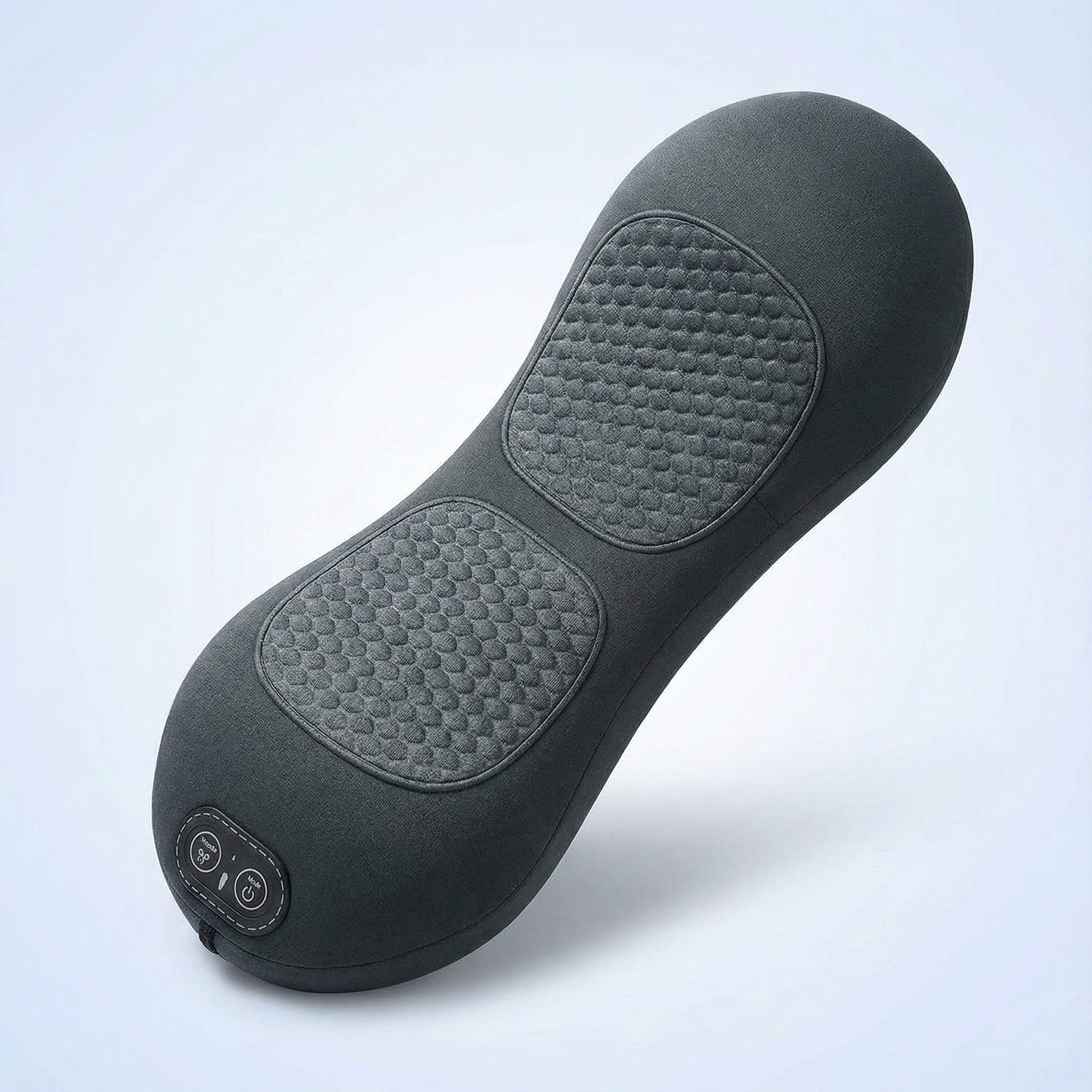
Why SpineSpace™ Is Different
SpineSpace™ isn't a vibration gadget.
And it isn't just a cushion.
It's designed around three complementary principles commonly used in spine care — combined in one at-home device.
1. Gentle Spinal Decompression Support
The curved design encourages a natural stretch through the lower spine when you lie on it. This helps reduce pressure and allows the area to relax — similar in concept to traction used in clinical settings, but without inversion or force.
2. Targeted Muscle Relaxation
Strategically placed massage nodes help surrounding muscles release tension. When muscles stop guarding the area, pressure can ease and circulation improves.
3. Therapeutic Heat
Heat helps muscles relax and supports blood flow — making decompression more comfortable and effective over time.
What Happened When I Used It
I'll be honest — I was skeptical.
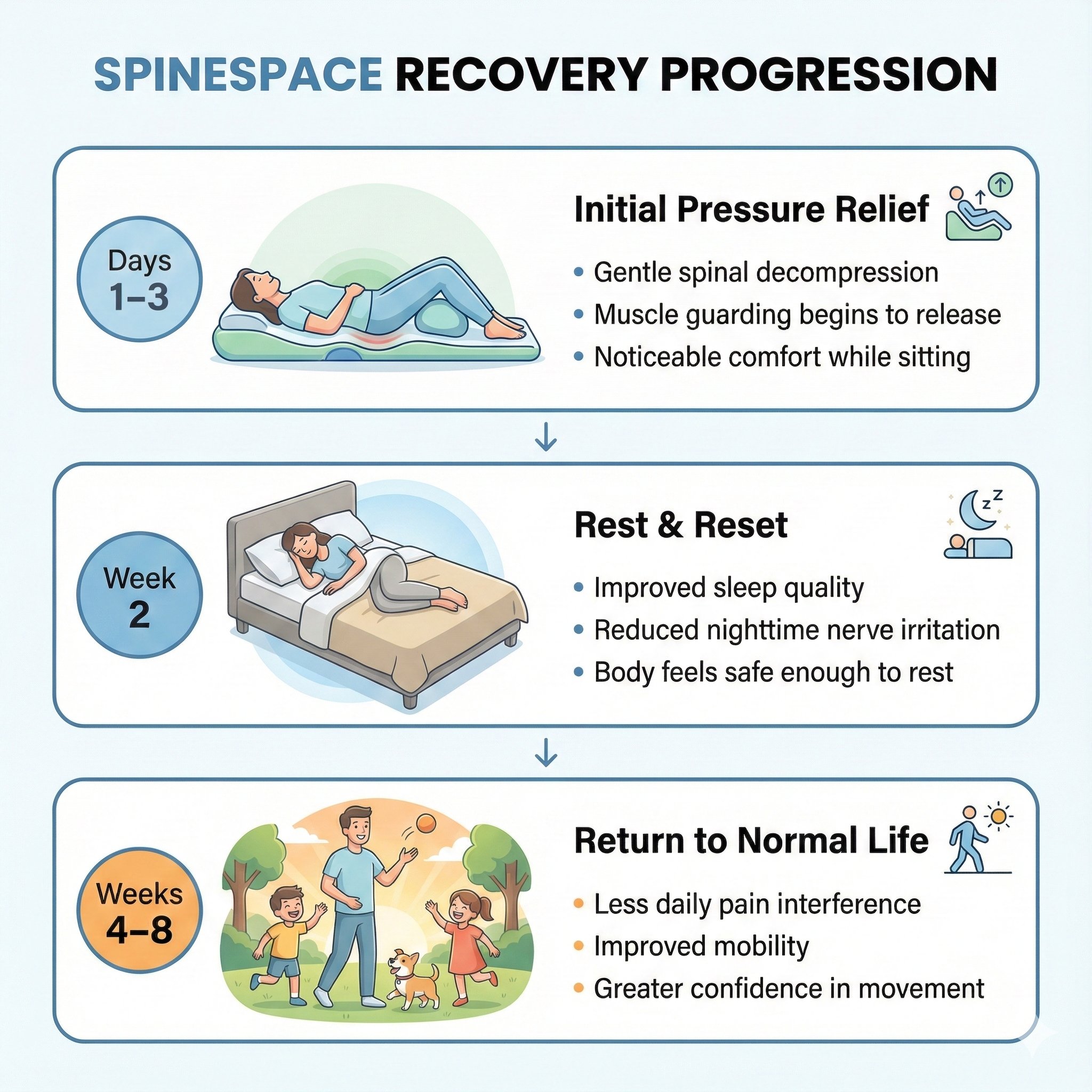
What Other Users Are Saying
"I could barely walk before this. I don't need my cane anymore."
"After years of PT and acupuncture, this finally helped me manage my pain."
"I wanted to avoid injections — this gave me another option."
Get 35% OFF!
Only 49 SpineSpace™ Left In Stock
Ready to Take Your Life Back?
The Bottom Line
If you've tried everything and nothing helped — SpineSpace™ is different because it addresses pressure, not just pain signals.
It helped me sleep again.
It helped me move again.
It helped me feel like myself again.
With a 90-day money-back guarantee, there's no risk in seeing if it helps you too.
About the Author
Sarah Mitchell is a former chronic sciatica sufferer who spent two years testing at-home relief options. She is not a medical professional — just someone who understands how exhausting this pain can be.
Medical Disclaimer
This article is for informational purposes only and is not medical advice. Always consult a healthcare professional before starting new treatments.